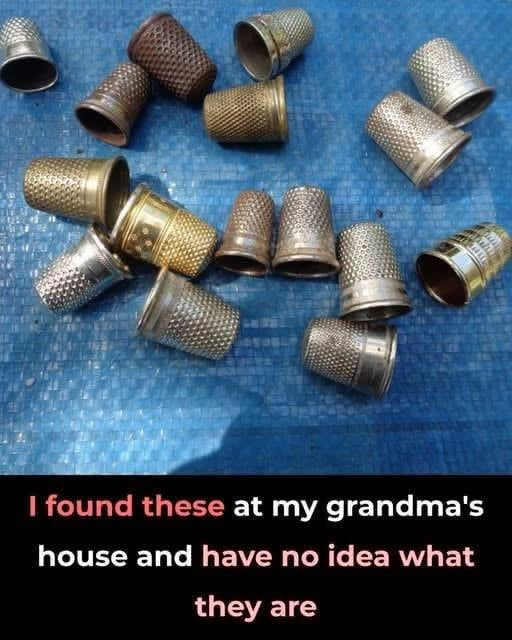
The Development of the Modern Metal Thimble
Today, many thimbles are manufactured from durable metal. Metal provides the strength needed to resist pressure from the end of a needle during repeated use.
A modern metal thimble usually includes a textured outer surface. The small indentations help prevent the needle from sliding when pressure is applied.
This texture improves grip and gives the sewer more control. Instead of slipping across a smooth surface, the needle can rest inside one of the small depressions while being pushed through the fabric.
Greater stability is especially useful during detailed sewing. A sudden slip could damage the material, disrupt the stitch, or cause the needle to move in an unintended direction.
The textured surface therefore supports both safety and accuracy. It allows the user to apply force more confidently while keeping the needle aligned with the intended stitch.
Metal thimbles are also valued for their durability. With proper care, they can withstand years of regular sewing without losing their protective purpose.
Although metal remains a common choice, modern thimbles are available in several other materials. Leather, plastic, and resin versions provide alternatives for people with different sewing habits and comfort preferences.
A leather thimble may feel softer and more flexible than a traditional metal model. Its material can adapt to the finger while still providing a protective layer during stitching.
Plastic thimbles offer another lightweight option. They can be practical for people who prefer a less rigid covering or want a simple tool for occasional sewing tasks.
Resin thimbles can also provide protection while allowing for a range of shapes and finishes. Their availability reflects the continued effort to adapt this ancient tool to modern crafting needs.
No single material is ideal for every sewer. Some people prefer the firmness of metal, while others choose leather, plastic, or resin because of fit, weight, or comfort.
The variety available today makes it easier for each user to select a thimble that matches the type of work being completed.
The Importance of Fit and Control
A thimble works best when it fits securely on the finger. A loose thimble may shift during use, while one that is too tight can become uncomfortable.
The correct fit allows the tool to remain steady as the needle is pushed. This stability supports accurate movement and reduces unnecessary strain.
Because hand sizes and sewing techniques vary, modern material choices can help users find a suitable level of firmness and flexibility. A properly chosen thimble should feel protective without interfering with natural finger movement.
Control is central to effective hand sewing. Each stitch requires the needle to enter and leave the fabric in a planned location.
The thimble supports that process by giving the user a stable surface from which to apply pressure. Its textured or protective exterior creates a reliable point of contact between the finger and the needle.
With practice, the tool can become so familiar that it feels like a natural extension of the hand.
An Essential Tool for Tailors and Quilters
Professional tailors may spend long periods completing precise hand-sewn details. Repeated needle pressure can be difficult on the hands, making finger protection especially valuable.
A thimble helps maintain comfort during extended work. It allows the tailor to focus on stitch placement, fabric alignment, and overall construction rather than finger pain.
Quilters also benefit from the tool because quilting often involves several fabric layers. Pushing a needle through those layers can require steady force.
The thimble makes it possible to apply that force while reducing the risk of pricking the skin. It also helps maintain a consistent sewing rhythm across a large project.
For hobbyists, the benefits are equally meaningful. A person repairing clothing, creating a handmade gift, or learning basic stitching can use a thimble to make the experience safer and more comfortable.
Its usefulness is not limited to advanced professionals. The tool can support anyone who works with a needle and fabric by hand.
A Link Between Past and Present
Few everyday tools maintain such a direct connection to ancient craftsmanship. The thimble used in a modern sewing room serves the same basic purpose as the early examples made from bone, bronze, or ivory.
This shared purpose connects present-day sewers with people who practiced similar skills thousands of years ago. Both relied on hand control, patience, and protection from the sharp tools required for their work.
The materials have evolved, and decorative traditions have changed, but the practical problem remains familiar. Needles still require pressure, thick fabric still creates resistance, and fingers still need protection.
The survival of the thimble demonstrates how an effective design can endure. When a tool solves a clear problem simply and reliably, there may be little need to replace its basic form.
Modern thimbles may be produced in metal, leather, plastic, or resin, yet each version continues the same long tradition. Every model reflects the lasting value of a small protective covering worn during sewing.
The Enduring Value of a Humble Sewing Tool
The thimble has never needed to be large or complicated to be useful. Its value comes from the protection, comfort, and control it provides during hand sewing.
By shielding the fingertip, it reduces painful needle pricks and makes it easier to work with thick or layered fabrics. Its textured surface can also improve grip and help guide the needle accurately.
Its long history adds another dimension to its importance. Ancient examples from China and the Roman Empire show that sewers have relied on similar protective tools for thousands of years.
Later, silver and gold thimbles became decorative status symbols and meaningful family heirlooms. These objects demonstrated that a practical tool could also carry artistic, financial, and emotional value.
Today, durable metal versions remain common, while leather, plastic, and resin provide additional choices for modern crafters. This range of materials ensures that the thimble can continue meeting different needs and preferences.
Whether it is used by a professional tailor, an experienced quilter, or someone completing a simple repair, the thimble remains an essential part of hand sewing. Small in size but rich in history, it continues to protect hands while preserving one of the oldest traditions of sewing craftsmanship.