Depending on your symptoms, a healthcare professional may check your legs, compare both calves, feel for pulses, review medications, ask about travel or surgery, and order tests.
Possible tests may include:
ultrasound of the leg veins
blood tests
blood pressure checks in the legs
ankle-brachial index
heart rhythm testing
cholesterol testing
blood sugar testing
The right test depends on the pattern of symptoms.
Daily Habits That Support Circulation
Healthy habits cannot replace medical care if you have symptoms, but they may support better circulation over time.
Helpful steps include:
walk regularly if your doctor says it is safe
avoid sitting still for long periods
drink enough water
stop smoking
manage blood pressure
manage blood sugar
check cholesterol
maintain a healthy weight
follow prescribed medication correctly
attend regular checkups
If you sit for long periods, stand up and move your legs regularly. Gentle walking can help the calf muscles support blood return through the veins.
Final Thoughts
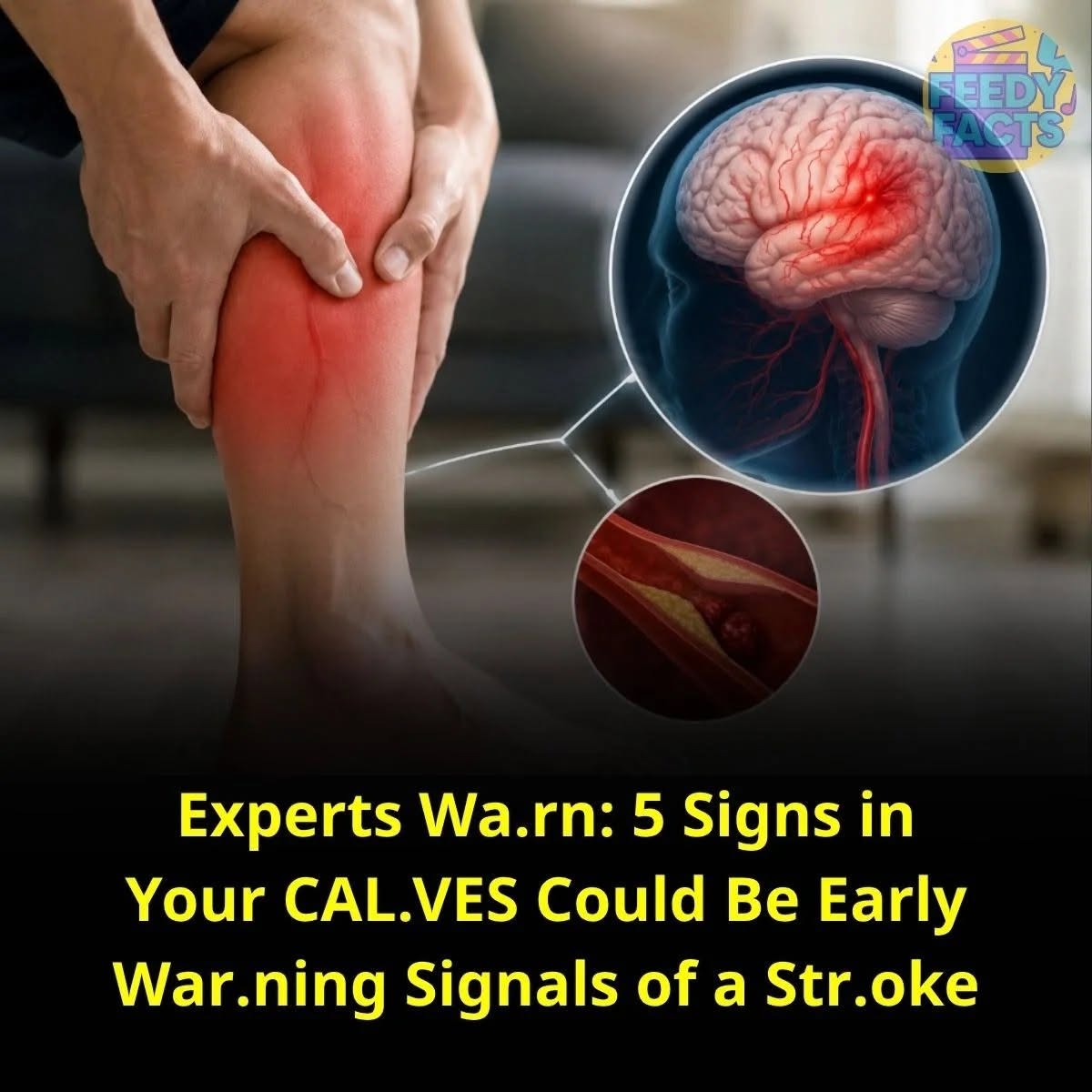
Calf symptoms are often harmless, but some changes should not be dismissed. Sudden swelling in one calf, unusual calf pain, skin color changes, repeated cramps, and persistent coldness may point to circulation problems that need medical attention.
These signs do not prove that a stroke is coming. But they may reveal problems in the blood vessels or clotting system, especially in people with risk factors.
The safest rule is simple: if a calf symptom is sudden, one-sided, painful, persistent, or appears with chest symptoms or stroke-like symptoms, seek medical help quickly.
Disclaimer: This article is for general educational information only and does not replace medical advice, diagnosis, or treatment. If you suspect a stroke, blood clot, chest emergency, or serious circulation problem, seek urgent medical care immediately.