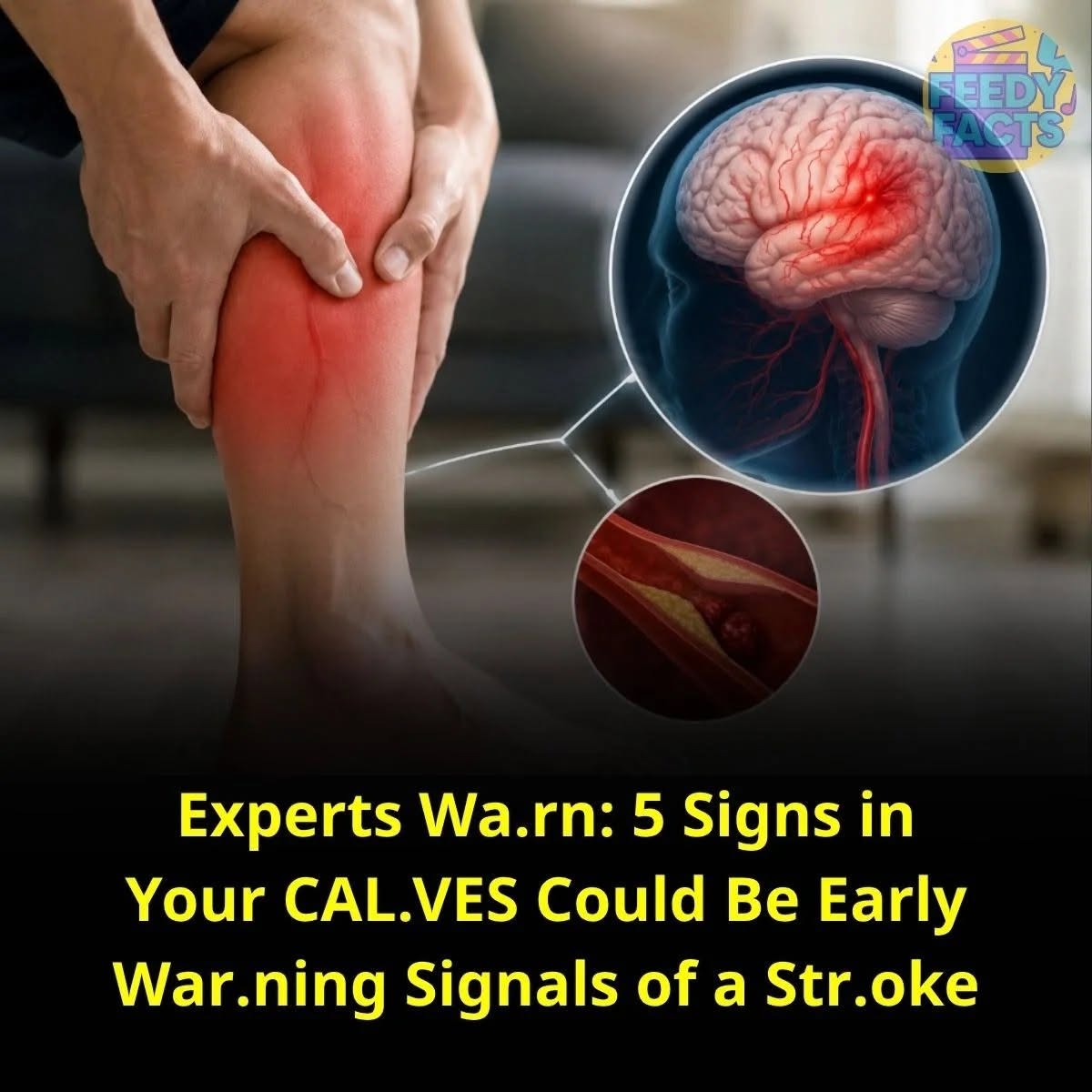
Calf pain after exercise or walking more than usual is common. But pain that appears suddenly, feels deep, keeps getting worse, or affects only one leg should be taken seriously.
Pain linked to a clot or circulation problem may feel like cramping, tightness, heaviness, tenderness, or a deep ache. The calf may also feel warm or look red. If the pain appears after long sitting, travel, surgery, injury, or illness, it becomes more concerning.
Calf pain can also happen when arteries in the legs are narrowed. This may cause pain while walking that improves with rest, a symptom known as claudication. Poor artery circulation in the legs can be a sign of broader vascular disease, which may also increase the risk of heart and brain circulation problems.
3. Skin Color Changes on the Lower Leg
Changes in skin color can be a clue that blood flow is not normal. Warning signs may include bluish-purple skin, unusual redness, dark patches, pale or grayish skin, or a net-like purple pattern under the skin.
Color changes may happen when blood is not moving properly through the veins or arteries. In some cases, the skin may also feel warmer or colder than the other leg.
A temporary mark from pressure or cold weather is not always dangerous. But color changes that are new, persistent, painful, one-sided, or linked with swelling should be checked.
If the foot or lower leg suddenly becomes pale, cold, numb, or extremely painful, that can be urgent and needs immediate medical care.
4. Repeated Calf Cramps, Especially at Night
Nighttime calf cramps are common, and many people experience them from dehydration, overuse, low minerals, or sitting in one position. However, repeated cramps that do not improve, especially when combined with cold feet, leg pain while walking, numbness, or skin changes, may suggest a circulation problem.
When muscles do not receive enough oxygen-rich blood, they may become more likely to cramp, ache, or feel weak. Poor circulation in the legs may be linked to peripheral artery disease, which is more common in people who smoke, have diabetes, high blood pressure, or high cholesterol.
Do not assume every cramp is a mineral deficiency. If cramps are frequent, one-sided, severe, or associated with walking pain, it is safer to ask for a medical check.
5. Cold Calves or Feet That Do Not Warm Up Easily